

C5 Ethical Storytelling Framework
1. Consent
Ethical storytelling begins with clear, informed, and ongoing consent. Individuals must fully understand how their story will be used, where it will be shared, and what potential impacts it may have. Consent is continuous, not a one-time approval, and must always include the ability to pause, revise, or withdraw participation.
2. Compensation
Lived experience is labor. Ethical storytelling ensures individuals are fairly compensated for their time, emotional labor, and expertise. Compensation reinforces that storytelling is not extractive and that communities are valued as partners in advocacy and narrative work, not just subjects of it.
3. Community Investment
Ethical storytelling requires giving back to the communities whose stories are being shared. This includes investing in local capacity, supporting community-defined priorities, and ensuring storytelling efforts produce tangible benefits such as resources, partnerships, leadership development, or funding directed back into the community.
4. Community Care
Ethical storytelling must prioritize the well-being of individuals and communities throughout the entire process. This includes trauma-informed practices, emotional support, avoiding retraumatization, and ensuring participants feel safe, respected, and cared for before, during, and after sharing their stories.
5. Community Centered
Ethical storytelling keeps communities, not institutions, funders, or organizations, at the center of narrative design and decision making. It ensures storytelling reflects community priorities, uplifts community voice, and is guided by those most impacted rather than shaped from the outside. Together, the 5 C's create an ethical framework that prioritizes dignity, equity, and collective impact.
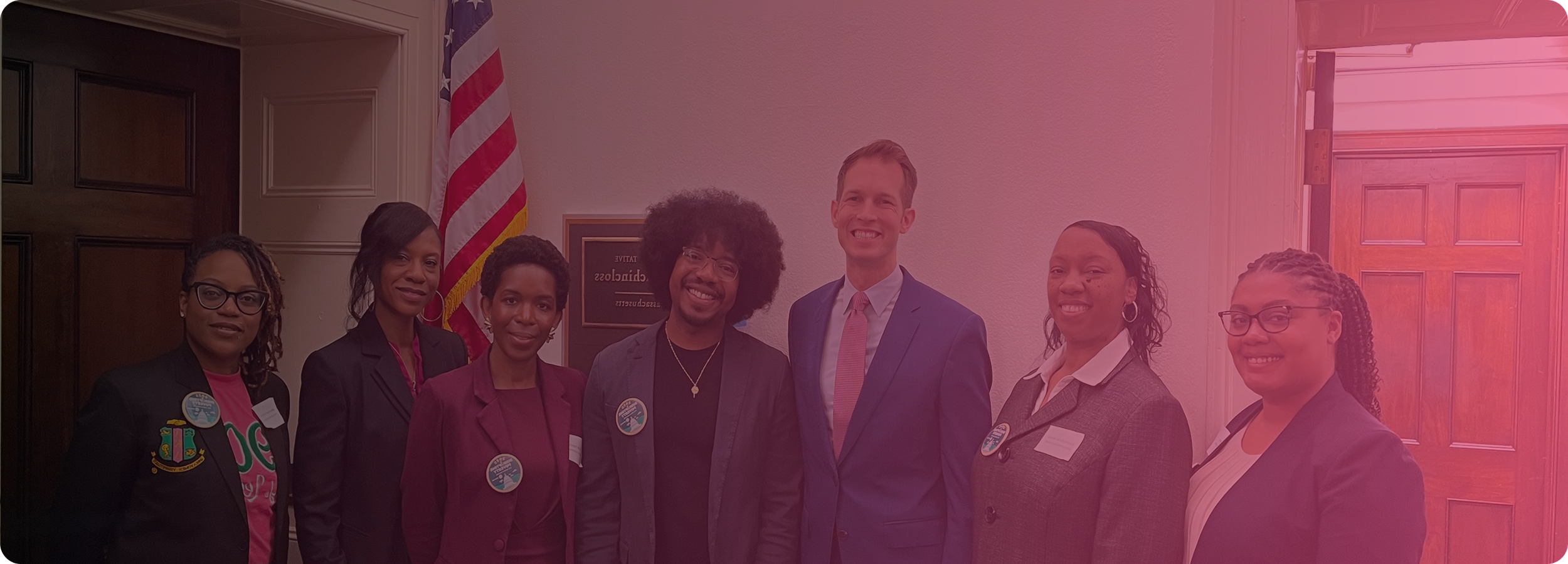
This framework guides how we build out incredible advocacy programming. If you'd like to learn more book a call.
Together, the three workshops create a clear progression from understanding advocacy → designing strategy → leading change, equipping participants with practical tools to move from voice to action.
Washington D.C.
with Congressman
Jake Auchincloss